
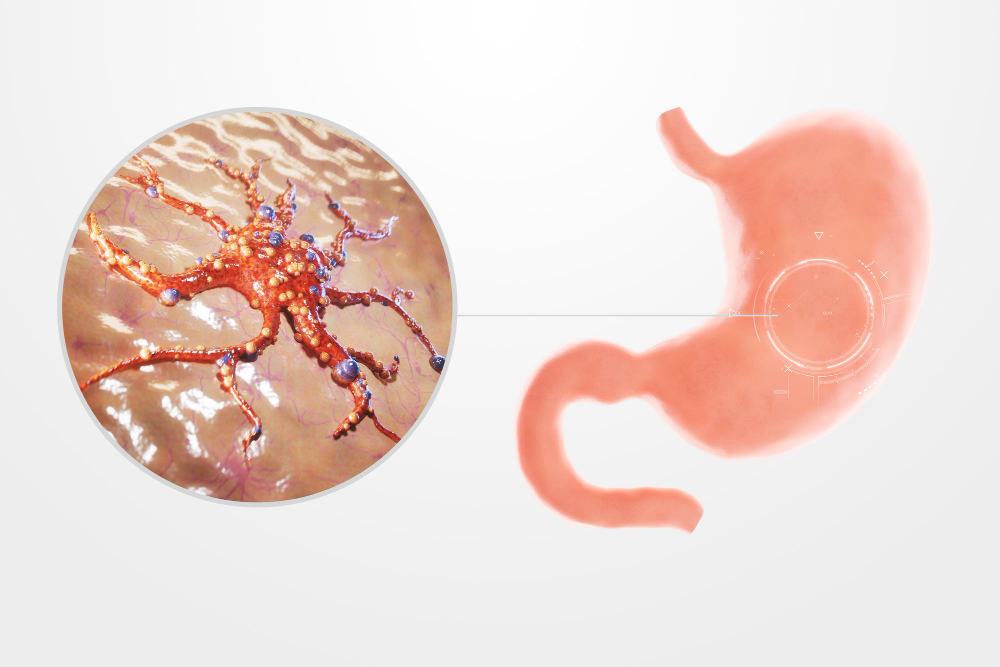
Introduction to Gastric Cancer
Gastric cancer, also called stomach cancer, is a serious disease. It starts in the lining of the stomach. Although it can affect anyone, it is more common in older adults. Early detection is important. When found early, gastric cancer treatment is more effective. Many people do not notice symptoms at first. However, knowing the early warning signs can help you seek help sooner.
Early Warning Signs of Gastric Cancer
Often, gastric cancer does not cause clear symptoms in the beginning. Still, some early signs may appear. If you notice any of these, talk to your doctor. Early action can make a big difference.Persistent stomach pain or discomfortFeeling full after eating small amountsUnexplained weight lossLoss of appetiteFrequent nausea or vomitingHeartburn or indigestion that does not go awayBlood in stool or vomit (may look dark or black)
For example, if you have ongoing stomach issues, do not ignore them. Instead, seek medical advice. Early warning signs of gastric cancer can be mild, but they should not be overlooked.
Causes and Risk Factors
Several factors can increase your risk of gastric cancer. Some you can control, while others you cannot. Understanding these can help you lower your risk.Helicobacter pylori infection (a common stomach bacteria)Family history of stomach cancerSmoking tobaccoEating a diet high in salty or smoked foodsLong-term stomach inflammation (gastritis)Previous stomach surgeryOlder age (risk increases after age 50)
Additionally, people with certain genetic conditions may have a higher risk. However, making healthy lifestyle choices can help reduce some risks.
Diagnosis Methods
Doctors use several tests to detect gastric cancer early. If you have symptoms or risk factors, your doctor may suggest these steps:Physical exam and medical history reviewBlood tests to check for anemia or other issuesUpper endoscopy (a thin tube with a camera looks inside your stomach)Biopsy (a small tissue sample is taken during endoscopy)Imaging tests, such as CT scans or X-rays
Because early detection improves outcomes, ask your doctor about screening if you have risk factors. In some areas, like East Asia, regular screening is more common due to higher rates of gastric cancer.
Surgical Treatment Options
Surgery is often the main treatment for gastric cancer. The type of surgery depends on the cancer’s size and location. Your doctor will discuss the best option for you.Endoscopic resection: For very early cancers, doctors may remove the tumor using a thin tube through the mouth.Partial gastrectomy: Part of the stomach is removed. This is common if the cancer is in one area.Total gastrectomy: The entire stomach is removed if the cancer is widespread.Lymph node removal: Nearby lymph nodes may also be taken out to check for spread.
Sometimes, surgery is combined with other treatments, such as chemotherapy or radiation. These help kill any remaining cancer cells. Stomach cancer surgery options have improved over time, leading to better recovery rates.
Recovery and Lifestyle Guidance
After surgery, recovery takes time. You may need to adjust your eating habits. For instance, eating smaller, more frequent meals can help. Your doctor or dietitian will guide you on what to eat and avoid.Follow your doctor’s advice for wound care and activityAttend all follow-up appointmentsReport any new symptoms right awayStay active as you recover, but rest when needed
With support, many people return to normal activities. However, it is important to be patient with your body during healing.
Prevention Tips
While not all cases can be prevented, you can lower your risk of gastric cancer by making healthy choices.Eat a diet rich in fruits and vegetablesLimit salty, smoked, and processed foodsDo not smokeLimit alcohol useTreat Helicobacter pylori infections if presentMaintain a healthy weight
Additionally, regular check-ups can help catch problems early. If you have a family history, talk to your doctor about screening options.
Conclusion
In summary, knowing the early warning signs of gastric cancer can save lives. Early diagnosis and the right treatment improve outcomes. If you notice any symptoms or have risk factors, do not wait. Consult Dr. Rahul Gupta for personalized guidance.