
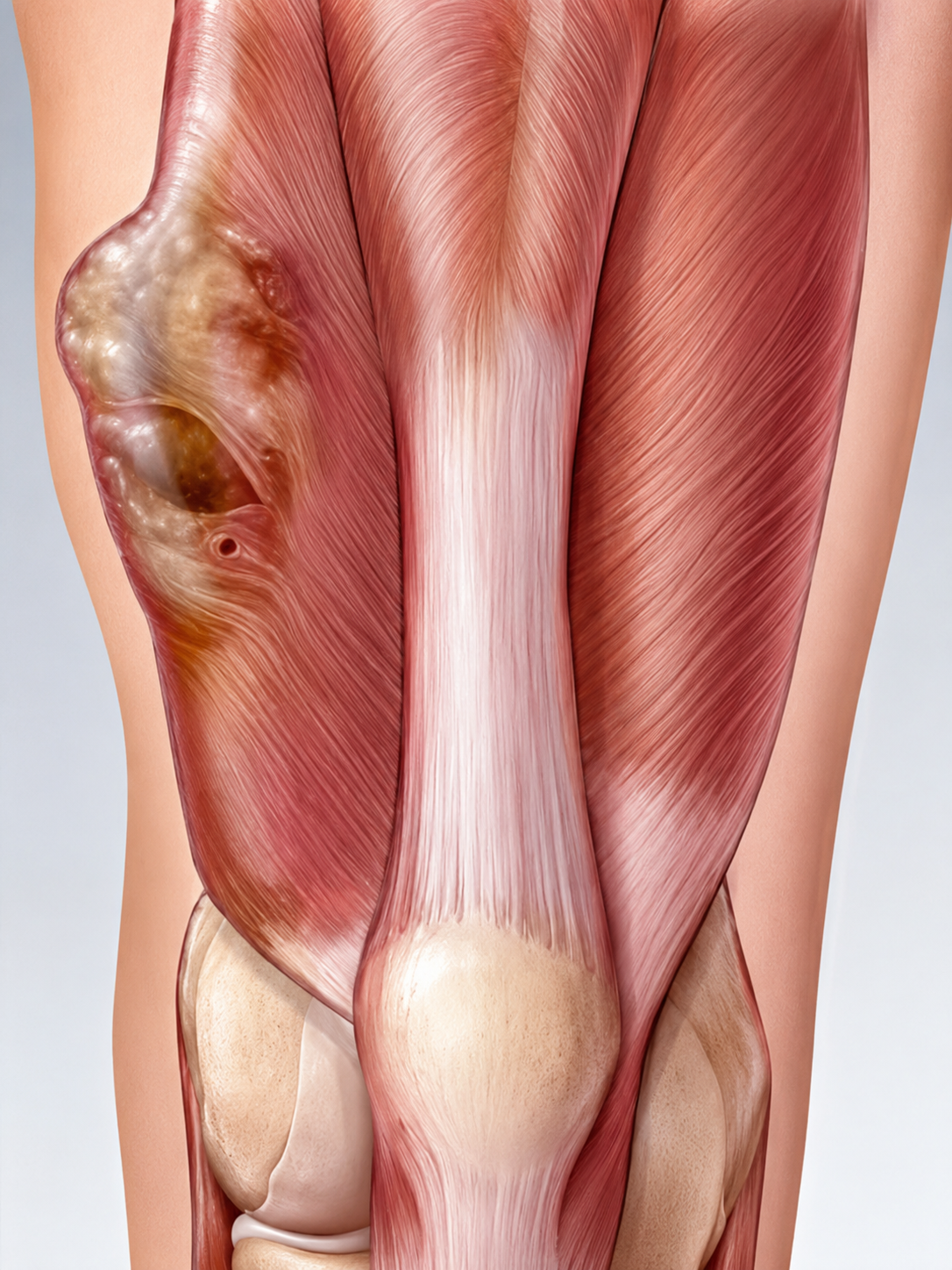
What is Soft Tissue Sarcoma?
Soft tissue sarcoma is a rare type of cancer. It starts in the soft tissues of the body, such as muscles, fat, nerves, or blood vessels. These tissues help connect, support, or surround other body parts. Although soft tissue sarcoma can develop anywhere, it often appears in the arms, legs, or abdomen. Early detection is important, so knowing the signs can help. According to the World Health Organization (WHO), soft tissue sarcomas make up less than 1% of all adult cancers.
Common Symptoms of Soft Tissue Sarcoma
At first, soft tissue sarcoma may not cause any symptoms. However, as the tumor grows, you may notice changes. For example, you might feel a lump or swelling. Sometimes, the lump is painless. But as it gets bigger, it can press on nerves or muscles, causing discomfort. Watch for these signs:A new lump or swelling, especially if it grows quicklyPain or tenderness in the areaLimited movement if the tumor is near a jointNumbness or tingling if nerves are affectedUnexplained weight loss or fatigue (less common)
If you notice any of these symptoms, it is important to talk to your doctor.
Causes and Risk Factors
Doctors do not always know what causes soft tissue sarcoma. Still, some factors can raise your risk. For instance, certain inherited conditions, like Li-Fraumeni syndrome, may increase your chances. In addition, past radiation therapy for other cancers can be a risk. Other possible risk factors include:Exposure to certain chemicals, such as vinyl chlorideFamily history of sarcomaChronic swelling (lymphedema)Older age, as risk rises with age
Even though these factors can increase risk, many people with soft tissue sarcoma have no known risk factors.
How is Soft Tissue Sarcoma Diagnosed?
Early diagnosis can help improve outcomes. If your doctor suspects soft tissue sarcoma, they may start with a physical exam. Next, they may order imaging tests. For example, an MRI or CT scan can show the size and location of the tumor. Sometimes, an ultrasound is used. To confirm the diagnosis, a biopsy is needed. During a biopsy, a small sample of tissue is taken and checked under a microscope. This helps doctors know if the lump is cancerous. Blood tests may also be done to check your overall health.
Treatment Options for Soft Tissue Sarcoma
Treatment depends on the tumor’s size, location, and type. Your doctor will discuss the best plan for you. Common treatment options include:Surgery: Removing the tumor is often the first step.Radiation therapy: High-energy rays can shrink the tumor before or after surgery.Chemotherapy: Medicines may be used to kill cancer cells, especially if the cancer has spread.Targeted therapy: Some drugs attack specific cancer cells and may be used in certain cases.
Sometimes, a combination of treatments is needed. Your care team will guide you through each step.
Prevention and Lifestyle Guidance
There is no sure way to prevent soft tissue sarcoma. However, you can lower your risk by avoiding known risk factors. For example, limit exposure to harmful chemicals at work. If you have a family history of cancer, regular check-ups can help. In addition, living a healthy lifestyle supports your overall well-being. Try these tips:Eat a balanced diet with fruits and vegetablesStay active with regular exerciseAvoid tobacco and limit alcoholFollow safety guidelines if you work with chemicals
While these steps may not prevent sarcoma, they can help you stay healthy.
When to See a Doctor
If you notice a new lump or swelling that does not go away, see your doctor. Also, if you have pain, numbness, or limited movement, do not wait. Early evaluation can make a big difference. Remember, most lumps are not cancer. However, it is always better to check with a healthcare specialist.
For personalized advice on soft tissue sarcoma and timely care, consult Dr. Rahul Gupta.