
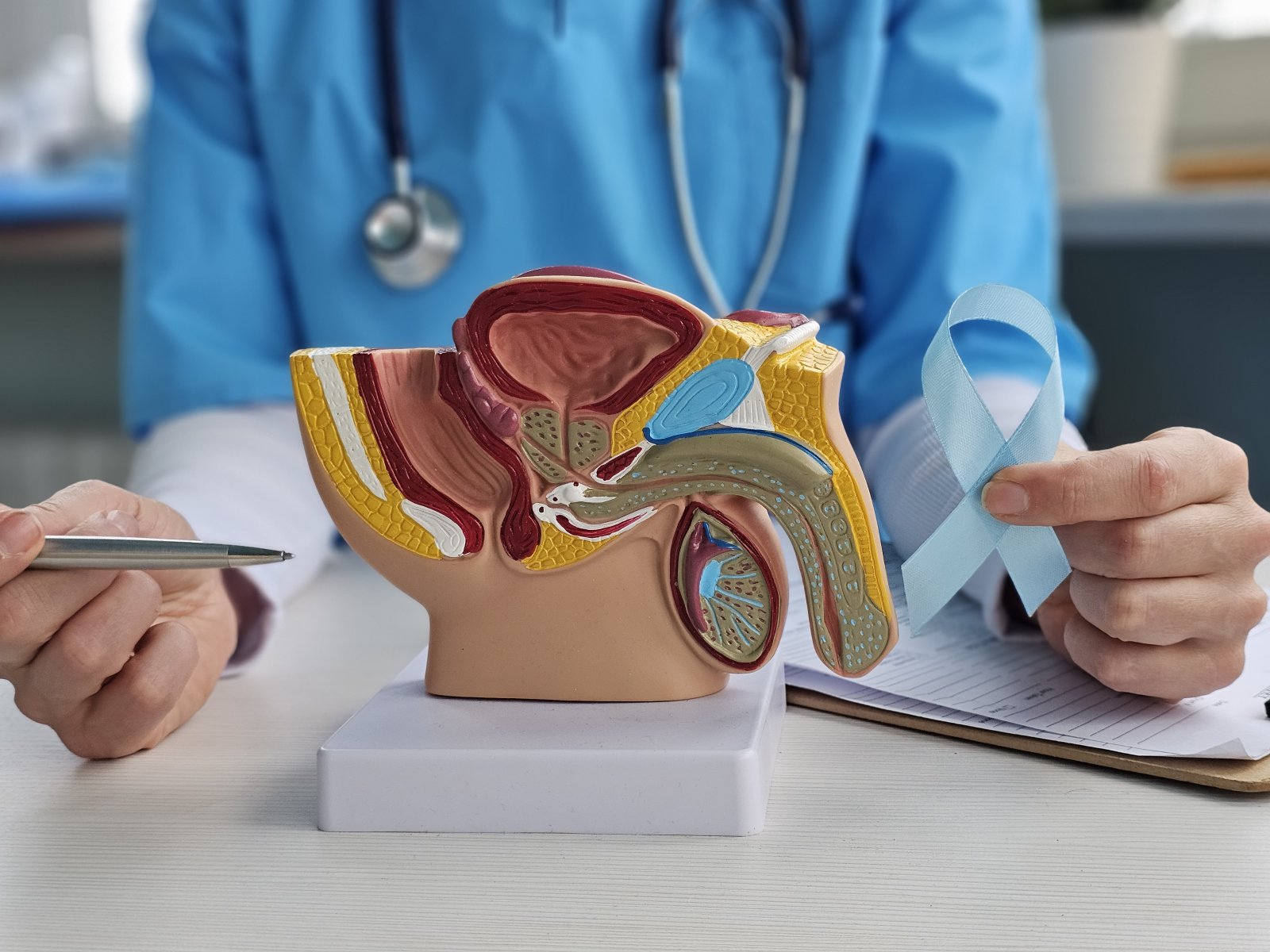
What is Radical Prostatectomy?
Radical prostatectomy is a surgery to remove the prostate gland. Doctors often use this treatment for prostate cancer. During the procedure, the surgeon may also remove some tissue around the prostate. This helps ensure all cancer cells are gone. Many men choose this option when cancer is found early. Because it is a major surgery, knowing what to expect is important.
Common Reasons for Radical Prostatectomy
Doctors recommend radical prostatectomy for several reasons. Most often, it treats prostate cancer that has not spread. Sometimes, it is used if other treatments, like radiation, have not worked. In rare cases, it may help with severe prostate problems that do not respond to medicine. However, the main reason is to remove cancer and prevent it from spreading.Early-stage prostate cancerCancer limited to the prostateFailed other treatmentsSevere prostate symptoms not helped by other means
Symptoms and Diagnosis Leading to Surgery
Many men do not notice symptoms in the early stages of prostate cancer. However, some signs can appear. For example, trouble urinating or frequent urges to urinate may occur. Sometimes, blood in urine or pain in the lower back can be a warning. If these symptoms appear, doctors may suggest tests. These include a PSA blood test and a prostate biopsy. If cancer is found, your doctor may discuss radical prostatectomy as a treatment option.
The Radical Prostatectomy Procedure: What Happens
Before surgery, your doctor will explain the steps. First, you will receive anesthesia, so you do not feel pain. Next, the surgeon removes the prostate gland through a small cut in your lower belly or by using special tools through small openings. Sometimes, nearby lymph nodes are also removed. The surgery usually takes two to four hours. Afterward, you will stay in the hospital for a short time to recover.
Benefits and Risks of Radical Prostatectomy
Radical prostatectomy offers many benefits. Most importantly, it can remove all cancer if caught early. This can help prevent cancer from spreading. In addition, some men feel peace of mind after surgery. However, there are risks to consider. For example, some men may have trouble controlling urine or may have trouble with erections after surgery. Infection and bleeding are also possible, but these are rare with modern techniques.Benefits:Removes cancer from the bodyReduces risk of cancer spreadMay cure early-stage prostate cancerRisks:Urinary incontinence (leakage)Erectile dysfunctionInfection or bleedingScar tissue formation
Recovery Process and Aftercare Tips
After radical prostatectomy, recovery takes time. Most men stay in the hospital for one to two days. At home, you will need to rest and avoid heavy lifting. Because you may have a catheter to drain urine, your doctor will show you how to care for it. Walking a little each day helps prevent blood clots. Follow your doctor’s advice for pain control and wound care. Most men return to normal activities in four to six weeks.Rest as much as possibleDrink plenty of waterTake short walks dailyFollow wound care instructionsAttend all follow-up visits
Lifestyle Guidance After Surgery
After surgery, making healthy choices can help your recovery. For instance, eat a balanced diet rich in fruits and vegetables. Avoid smoking and limit alcohol. Gentle exercise, like walking, can boost your mood and strength. If you have trouble with urine control or erections, talk to your doctor. Physical therapy or medications may help. Remember, support from family and friends is important during this time.
Prevention and Early Detection of Prostate Issues
While not all prostate problems can be prevented, some steps may lower your risk. Eating healthy foods, staying active, and keeping a healthy weight are helpful. Regular check-ups with your doctor are important, especially if you have a family history of prostate cancer. Early detection through PSA tests and exams can catch problems before they become serious. Because early treatment works best, do not skip your screenings.
Conclusion
Radical prostatectomy is a proven treatment for prostate cancer. It offers hope for many men. However, it is important to know the benefits, risks, and recovery steps. Always talk to your doctor about your options. Consult Dr Rahul Gupta for personalized advice on radical prostatectomy.