
What Is Robotic Endometrial Cancer Surgery?
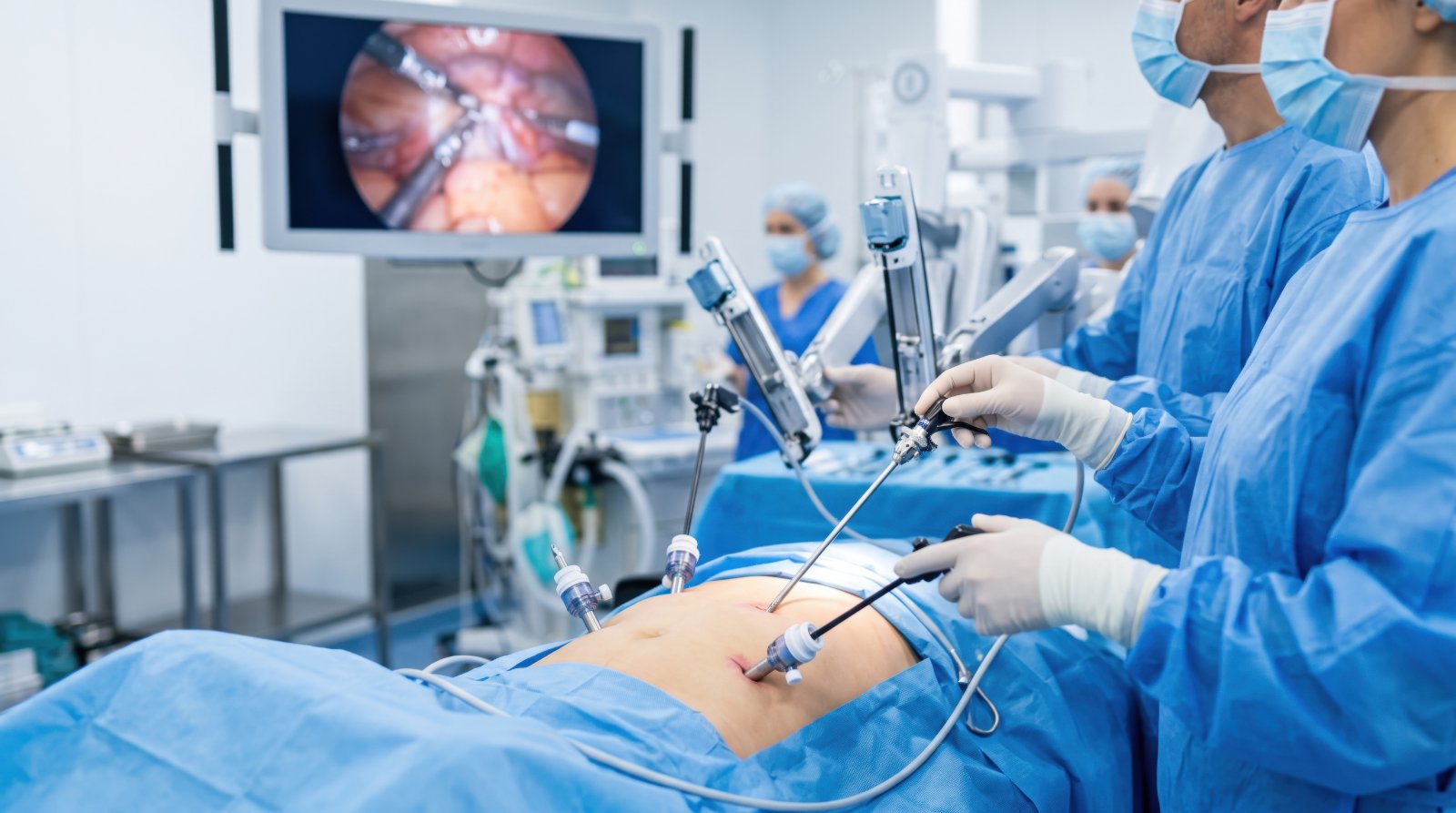
Robotic endometrial cancer surgery is a modern way to treat cancer of the uterus lining. Doctors use a special robot system to help them perform the surgery. This method is called minimally invasive because it uses small cuts instead of large ones. As a result, many patients heal faster and feel less pain. Robotic surgery for endometrial cancer is becoming more common in hospitals worldwide. According to the World Health Organization (WHO), new technology like this can improve patient outcomes.
How Does Robotic Surgery Differ from Traditional Methods?
Traditional surgery for endometrial cancer often uses a large cut in the belly. In contrast, robotic surgery uses several small cuts. Through these, doctors insert thin tools and a camera. The surgeon sits at a console and controls the robot’s arms. Because of this, the robot’s tools can move with great precision. Also, the camera gives a clear, 3D view of the area. This helps the surgeon see tiny details. For example, robotic surgery often leads to less blood loss and a shorter hospital stay.
Benefits and Risks of Robotic Surgery for Endometrial Cancer
Robotic endometrial cancer surgery offers many benefits. However, it also has some risks. Here are some important points to consider:Smaller cuts mean less pain after surgeryMost patients recover faster and go home soonerThere is usually less blood loss during the operationScarring is often smaller and less visibleLower risk of infection compared to open surgery
But, like all surgeries, there are some risks. For instance, there may be a chance of infection, bleeding, or injury to nearby organs. Sometimes, the surgery may need to switch to an open method if problems arise. According to the Centers for Disease Control and Prevention (CDC), all surgeries carry some risk, but robotic surgery is generally safe when performed by trained doctors.
Who Is a Candidate for Robotic Endometrial Cancer Surgery?
Not everyone is a good candidate for robotic endometrial cancer surgery. Doctors look at several factors before deciding. For example, they check your overall health, cancer stage, and past surgeries. Patients with early-stage endometrial cancer often benefit most. However, those with very large tumors or certain health problems may need a different approach. Your doctor will review your case and explain the best options for you.
What to Expect Before, During, and After the Procedure
Before Surgery
First, your doctor will order tests to check your health. You may need blood tests, scans, or a heart check. Next, you will meet with your care team to discuss the plan. They will explain what to eat or drink before surgery. Sometimes, you may need to stop certain medicines.
During Surgery
On the day of surgery, you will get anesthesia so you sleep through the procedure. The surgeon makes small cuts and uses the robot to remove the cancer. Most surgeries take two to four hours. However, the time may vary based on your needs.
After Surgery
After the procedure, you will wake up in a recovery area. Nurses will watch you closely. Many patients can go home within one or two days. You may feel sore, but pain is usually mild. Your doctor will give you instructions for care at home.
Recovery Tips and Lifestyle Guidance
Recovery from robotic endometrial cancer surgery is often quicker than with open surgery. Still, you should take care of yourself. Here are some tips to help you heal:Follow your doctor’s advice about rest and activityEat healthy foods to support healingDrink plenty of water unless told otherwiseWatch for signs of infection, such as fever or rednessTake short walks as soon as you feel ableAsk your doctor when you can return to work or daily activities
Additionally, avoid heavy lifting until your doctor says it is safe. If you have questions, always contact your care team.
Prevention and Follow-Up Care
While surgery treats endometrial cancer, follow-up care is important. Your doctor will schedule regular visits to check your recovery. These visits may include exams or scans. Early detection of any problems can help you stay healthy. To lower your risk of cancer coming back, maintain a healthy weight, stay active, and avoid smoking. According to the CDC, healthy habits can support your long-term well-being.
Conclusion
Robotic endometrial cancer surgery offers precision, less pain, and quicker recovery. Every patient’s needs are unique — consult Dr. Rahul Gupta for personalized guidance and the best surgical approach for you