
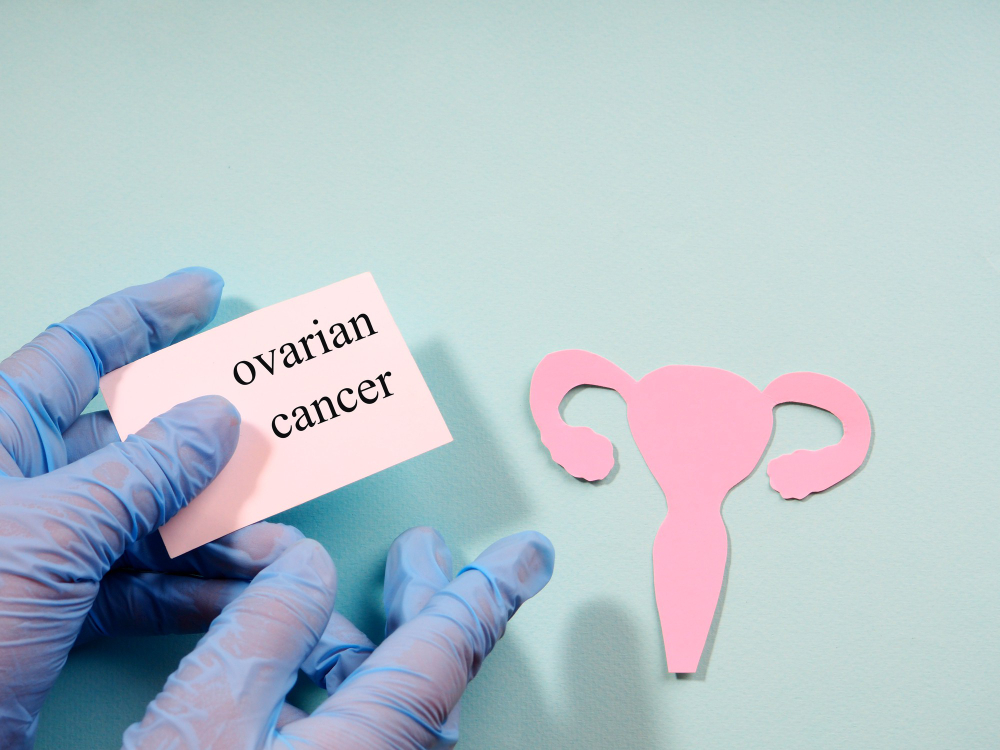
What is Ovarian Cancer?
Ovarian cancer is a type of cancer that starts in the ovaries. The ovaries are small organs in a woman’s lower belly. They make eggs and hormones. Because ovarian cancer can be hard to spot early, it is important to know the basics. According to the CDC, ovarian cancer is one of the most serious cancers for women. However, early detection can improve outcomes.
Early Signs and Symptoms
Often, early signs of ovarian cancer are mild or easy to miss. Still, knowing these symptoms can help you catch the disease sooner. For example, you might notice:Bloating that does not go awayPain in the belly or pelvisFeeling full quickly when eatingNeeding to urinate often or urgently
Sometimes, these symptoms are caused by other, less serious problems. But if they last for more than two weeks, it is wise to talk to your doctor. Early signs of ovarian cancer can be subtle, so paying attention to changes in your body is important.
Causes and Risk Factors
Doctors do not know the exact cause of ovarian cancer. However, some factors can raise your risk. For instance, you may be at higher risk if you:Are over age 50Have a family history of ovarian or breast cancerCarry certain gene changes, like BRCA1 or BRCA2Have never been pregnantStarted periods early or had menopause late
On the other hand, using birth control pills for several years may lower your risk. If you have questions about your risk, ask your healthcare provider. Knowing ovarian cancer risk factors can help you stay alert.
Diagnosis and Screening
Currently, there is no simple screening test for ovarian cancer. Still, doctors use several tools to help diagnose it. For example, they may use:Pelvic exams to feel for lumps or changesUltrasound scans to see the ovariesBlood tests, such as CA-125, to look for cancer markersImaging tests like CT scans
If these tests suggest cancer, your doctor may recommend surgery to confirm the diagnosis. Early diagnosis can make treatment more effective.
Treatment Options
Treatment for ovarian cancer depends on the stage and type of cancer. Most often, treatment includes:Surgery to remove the tumor and sometimes the ovariesChemotherapy to kill cancer cellsTargeted therapy or hormone therapy in some cases
Sometimes, doctors use a mix of these treatments. Your care team will explain the best plan for you. Ovarian cancer treatment has improved over the years, giving more women hope.
Prevention and Lifestyle Tips
While you cannot prevent all cases of ovarian cancer, you can lower your risk. For example, you can:Use birth control pills after talking to your doctorMaintain a healthy weightEat a balanced diet with fruits and vegetablesExercise regularlyKnow your family history and share it with your doctor
Additionally, regular check-ups can help catch problems early. Healthy habits support your overall well-being.
Important Facts to Know
Ovarian cancer is more common in women over 50Early signs of ovarian cancer are often vagueFamily history can increase your riskThere is no routine screening for women without symptomsEarly treatment improves survival rates
Because symptoms can be mild, staying informed is key. The World Health Organization and CDC offer more details on ovarian cancer.
When to See a Doctor
If you notice symptoms like bloating, belly pain, or changes in urination that last more than two weeks, see your doctor. Even if your symptoms seem minor, it is better to be safe. Early action can make a big difference. If you have a family history of ovarian cancer, ask your doctor about your risk and possible tests.
If you notice any early signs of ovarian cancer or have concerns, consult Dr. Rahul Gupta for personalized advice.