
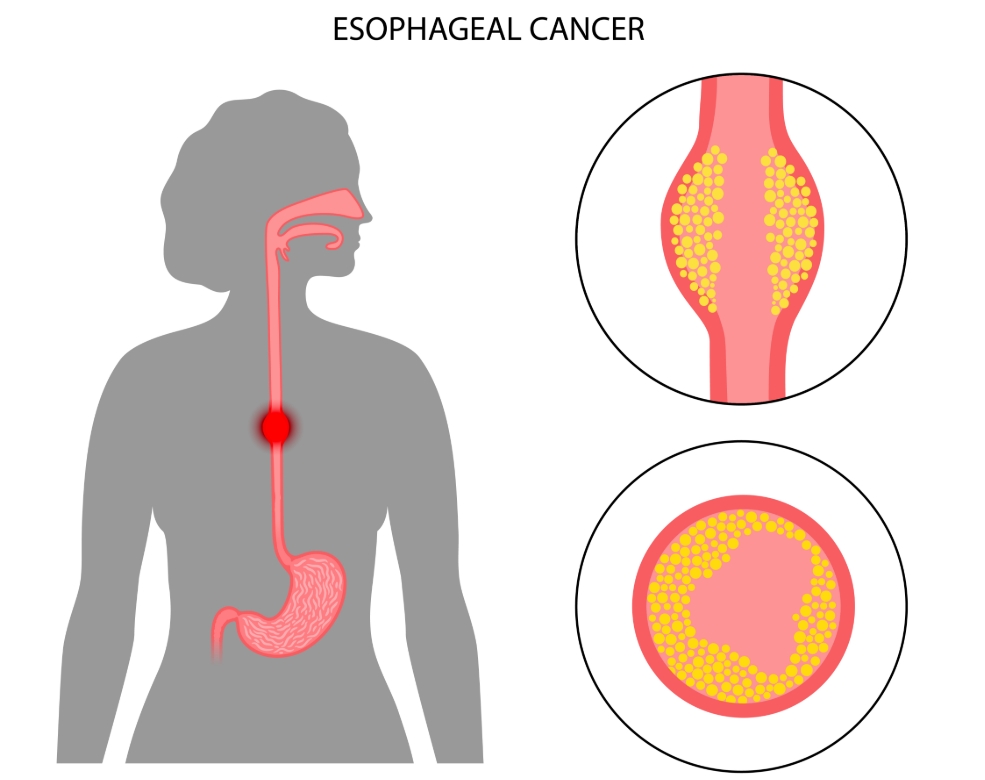
What is Esophageal Cancer?
Esophageal cancer is a disease that starts in the esophagus. The esophagus is the tube that carries food from your mouth to your stomach. Although this cancer is not as common as some others, it can be serious. For this reason, knowing esophageal cancer symptoms is very important. The disease often develops slowly, so early signs may be easy to miss. However, paying attention to changes in your body can help you catch problems sooner.
Why Early Symptom Recognition Matters
Early detection of esophageal cancer can save lives. When doctors find cancer early, treatment often works better. In contrast, if you wait too long, the cancer may spread. Because of this, noticing early signs of esophageal cancer is key. Even mild symptoms should not be ignored. For example, trouble swallowing or a sore throat that does not go away could be warning signs. According to the CDC, early treatment leads to better outcomes.
Common Symptoms of Esophageal Cancer
Many people with esophageal cancer notice symptoms only when the disease has grown. Still, some signs can appear earlier. Here are the most common esophageal cancer symptoms:Difficulty swallowing (dysphagia): This is often the first and most common symptom. At first, you may have trouble swallowing solid foods. Later, even liquids can be hard to swallow.Unintentional weight loss: Losing weight without trying can be a sign of many illnesses, including esophageal cancer.Chest pain or discomfort: Some people feel pain or pressure in the chest, especially when eating.Persistent heartburn or indigestion: Ongoing acid reflux or burning in the chest may be a warning sign.Hoarseness or chronic cough: A voice that sounds different or a cough that does not go away can be linked to throat cancer symptoms as well.
Because these symptoms can seem mild at first, it is easy to overlook them. However, if they last more than a few weeks, you should see a doctor.
Less Common and Advanced Symptoms
As esophageal cancer grows, other symptoms may appear. These are less common but can signal advanced disease. For example, you might notice:Vomiting or regurgitation: Food or liquids may come back up after swallowing.Bleeding: You may see blood in your vomit or stool. Stools may look black or tarry.Feeling tired or weak: Ongoing fatigue can result from blood loss or poor nutrition.Hiccups: Persistent hiccups can happen if the tumor presses on nerves.Swollen lymph nodes: Lumps in the neck or collarbone area may appear as the cancer spreads.
Although these symptoms are less common, they should not be ignored. In fact, they may mean the cancer is more advanced.
When to See a Doctor
It is always better to be safe. If you notice any of the following, you should contact a healthcare provider:Difficulty swallowing that lasts more than a few daysUnexplained weight lossChest pain or discomfort, especially when eatingOngoing heartburn or indigestionHoarseness or a cough that does not go away
Even if these symptoms seem minor, early action can make a big difference. For example, early signs of esophageal cancer are easier to treat. The World Health Organization (WHO) also recommends seeing a doctor for any persistent symptoms.
How Symptoms Differ from Other Conditions
Many esophageal cancer symptoms are similar to those of other illnesses. For instance, heartburn and indigestion are common in people with acid reflux. However, if these symptoms do not improve with usual treatments, you should be cautious. Unlike simple reflux, esophageal cancer symptoms often get worse over time. In addition, trouble swallowing is less common in other conditions. If you have risk factors, such as smoking or heavy drinking, you should be extra careful. Always talk to your doctor if you are unsure.
Key Takeaways
Esophageal cancer can be serious, but early detection helps.Common symptoms include difficulty swallowing, weight loss, and chest pain.Less common signs, like vomiting or bleeding, may mean advanced disease.Symptoms can look like other problems, so pay attention to changes.See a doctor if symptoms last more than a few weeks.
If you notice any symptoms, consult Dr.Rahul Gupta for personalized advice.